News
Study Published in the Journal Biological Conservation Reveals the Demographic Vulnerability of Lahille's Bottlenose Dolphin in the Southwestern Atlantic
A study led by Dr. Fábio Daura-Jorge of the Federal University of Santa Catarina, published in the journal Biological Conservation, provides the first regional assessment of the demographic vulnerability of Lahille's bottlenose dolphins in southern Brazil and Uruguay.
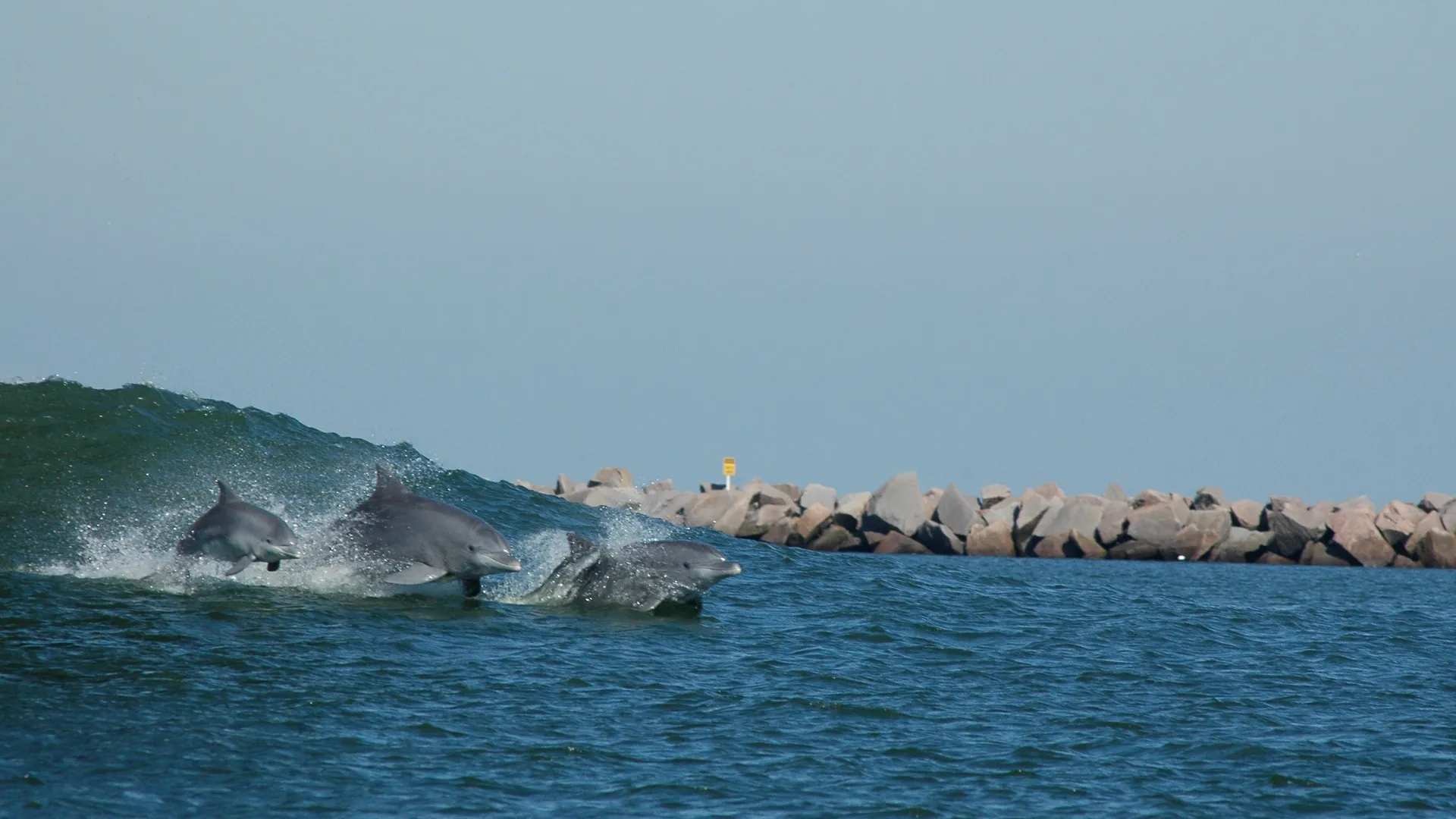
The study is the result of a coordinated effort led by the Gephyreus Project between 2018 and 2023, involving systematic monitoring across five key regions spanning approximately 1,000 km of coastline, from Itajaí (Santa Catarina, Brazil) to Uruguay. Its findings are particularly significant following the reclassification of Lahille's bottlenose dolphin as Endangered on the IUCN Red List in October 2025.
Throughout the study, the total population was estimated to range between 252 and 341 individuals, reaching 341 dolphins in the most recent survey—equivalent to just over 200 mature individuals. Over the five years of monitoring, no dolphins were observed moving between the five monitored regions, confirming that these are isolated populations with very limited exchange of individuals, a pattern previously suggested by genetic studies.
The monitored regions also differ markedly in population size and demographic status. The Patos Lagoon estuary supports approximately one-third of the entire subpopulation and showed the highest annual survival rate (97%), acting as a relatively stable stronghold for the species. In contrast, the Itajaí–Florianópolis and Laguna populations are the smallest and most vulnerable, with annual survival rates of 65% and 93%, respectively. These two populations also face the highest long-term risks identified in the study.
Long-term population projections paint a concerning picture at the regional scale. Under current conditions, the subpopulation as a whole is expected to remain relatively stable, with only a 2% decline over 63 years—approximately three generations for the species. However, this apparent stability masks severe local declines. The Itajaí–Florianópolis and Laguna populations are projected to decline by 43% and 71%, respectively, even if current threats do not intensify.
Under a more pessimistic scenario combining multiple pressures—including reduced prey availability, habitat degradation, and increased mortality from fisheries bycatch—the outlook becomes far more alarming. The entire subpopulation could decline by 94% over 63 years, leaving only about 18 individuals, with a genuine risk of local extinction in the two most vulnerable regions.
In addition to population isolation and regional differences in survival, the study identified other warning signs. Skin lesions are becoming increasingly common, particularly in the two regions already identified as the most vulnerable, suggesting that multiple threats may be acting simultaneously. The authors emphasize that in such small and fragmented populations, the loss of even a few adult females due to human-related causes can have a disproportionate impact on the species' long-term viability.
The findings highlight the urgent need to maintain and expand long-term monitoring, protect critical habitats, and strengthen cooperation among Brazil, Uruguay, and Argentina to ensure the conservation of Lahille's bottlenose dolphin.