News
Gephyreus Network presents unprecedented extinction risk assessment of Lahille’s bottlenose dolphin at the SOMEMMA–SOLAMAC Congress
The Gephyreus Network was present at the SOMEMMA–SOLAMAC 2025 Congress, held from December 8 to 12, 2025 at the Universidad Autónoma de Sinaloa in the city of Mazatlán (Mexico).
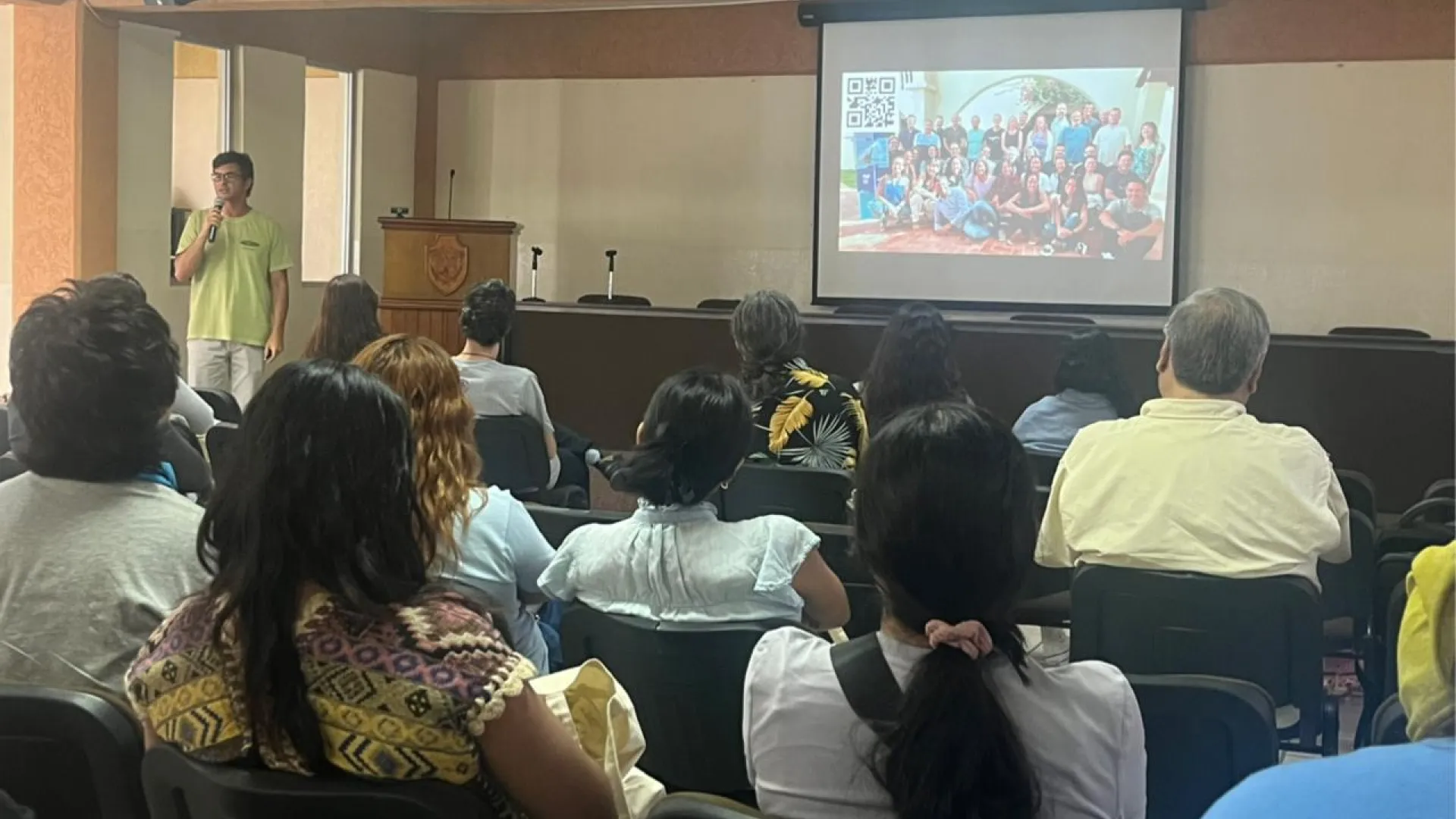
This joint meeting — which brought together the Second International Meeting for the Study of Aquatic Mammals, the 20th Working Meeting of Specialists in Aquatic Mammals of South America, and the XIV Congress of the Latin American Society of Aquatic Mammals (SOLAMAC) — stood out as one of the main scientific events on aquatic mammals in Latin America in 2025, with the participation of researchers, students, managers, and organizations from different parts of the region.
With the theme “Los Mamíferos Acuáticos y la Conservación de los Océanos de América Latina para la Humanidad” (“Aquatic Mammals and the Conservation of Latin American Oceans for Humanity”), the congress was aligned with the United Nations Sustainable Development Goal 14, reinforcing the importance of integrated and collaborative marine conservation. Activities took place at the facilities of the UAS Academic Tower and included pre-congress courses, oral and poster presentations, roundtables, and keynote lectures, bringing together renowned experts from the region and around the world.
The participation of the scientific coordinator of the Conservation and Management Plan (CMP) for Lahille’s bottlenose dolphin by the International Whaling Commission (IWC), Pedro Fruet, enabled the dissemination of the results of the first formal regional assessment of the extinction risk of Lahille’s bottlenose dolphin. The study was based on a systematic photo-identification program conducted between 2018 and 2023, covering the five management units of the southern Brazil–Uruguay subpopulation. Using this dataset, mark–recapture models were applied to estimate key demographic parameters that informed a Population Viability Analysis (PVA).
The analyses indicate a maximum estimated abundance of 341 individuals, with annual survival rates varying among management units. Statistical simulations suggest a slight decline under current conditions, with no risk of regional extinction. In a more pessimistic scenario — considering increased bycatch and habitat degradation — projections indicate severe population declines, with significant losses across all management units.
The results highlight the high vulnerability of Lahille’s bottlenose dolphin and reinforce the urgent need for targeted measures to mitigate bycatch, protect critical habitats, and promote coastal environmental health. The study also emphasizes the importance of maintaining and expanding coordinated long-term monitoring programs, which are essential to support quantitative risk assessments and guide adaptive conservation strategies. The presentation at the congress reinforces the role of the Gephyreus Network as a regional reference in producing scientific knowledge applied to the conservation of the species.