News
CMS COP15 approves Concerted Action for the Lahille's bottlenose dolphin
The 15th Meeting of the Conference of the Parties (COP15) to the Convention on the Conservation of Migratory Species of Wild Animals (CMS), held in Brazil in March 2026, approved a Concerted Action for the conservation of the Lahille's bottlenose dolphin for the period 2026–2029.
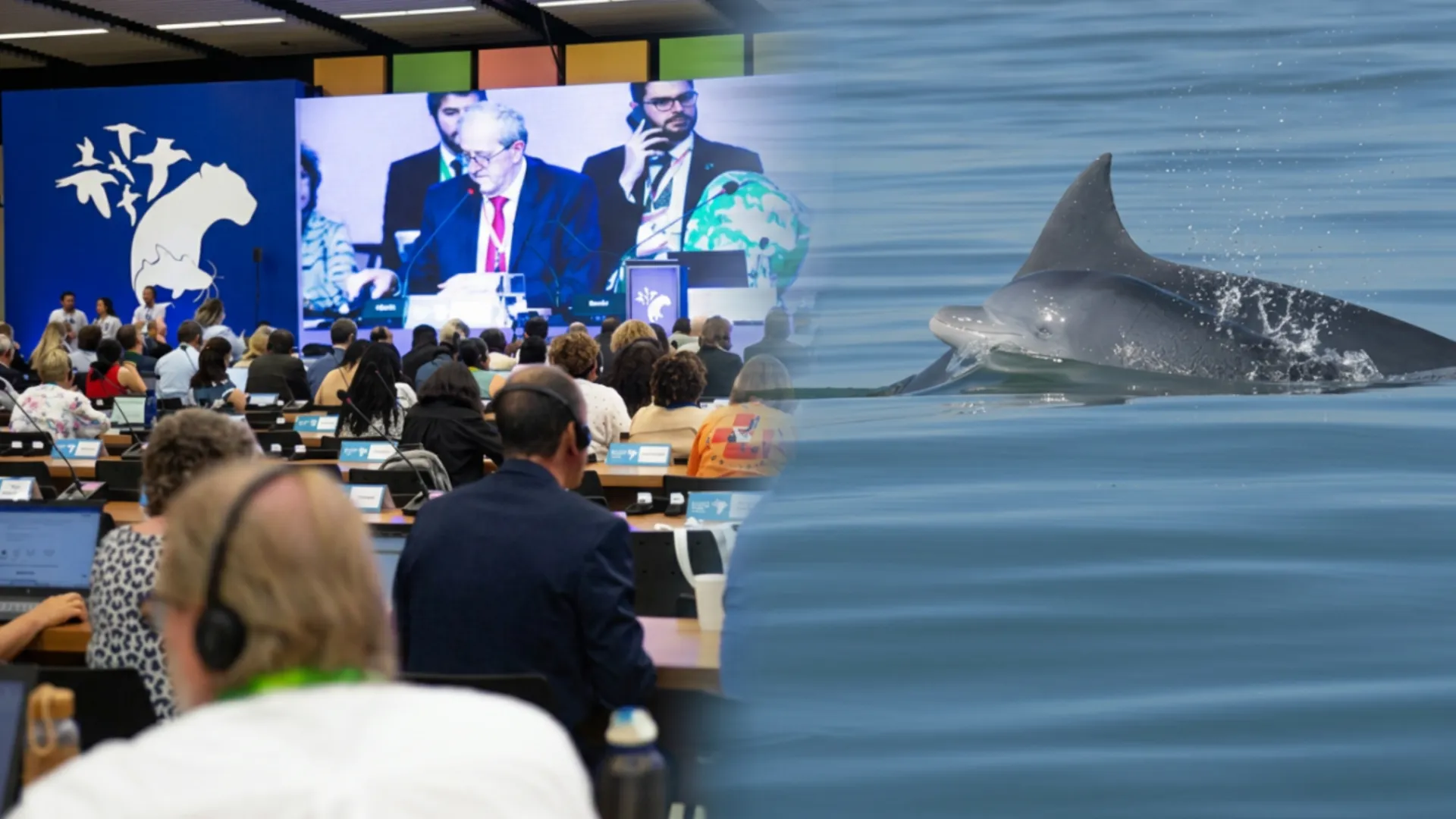
The initiative strengthens cooperation between Argentina, Brazil and Uruguay to address the species' main threats, including habitat degradation and incidental capture in small-scale fisheries.
The CMS is a United Nations treaty dedicated to the conservation of migratory species and their habitats. During COP15, Parties adopted new conservation measures for numerous species and discussed a report highlighting the accelerating decline of migratory animal populations worldwide—a context that underscores the significance of the approval of the Concerted Action for the Lahille's bottlenose dolphin.
Concerted Actions are CMS instruments designed to promote cooperation among Range States of threatened species by encouraging collaborative research, information exchange and coordinated conservation measures. In the case of the Lahille's bottlenose dolphin, the initiative will support the implementation of existing conservation plans while expanding scientific knowledge of the species' conservation status.
Over the past several years, the Gephyreus Project and partner institutions have generated essential information on the ecology, demography and conservation status of the Lahille's bottlenose dolphin throughout its range. These scientific findings provided the basis for the approval of the Concerted Action and demonstrate the importance of long-term collaborative research in supporting public policies and international conservation agreements.
The international recognition achieved at COP15 represents another milestone in protecting one of the most threatened coastal dolphin populations in the South Atlantic—and an example of how science, institutions and governments can transform knowledge into effective conservation action.